Introduction
As in 2026, the battles aren’t just about borders and their battles. In this digital phase. The wars directly affect the data and also targets to damage the data.
Multiple data centres were the target of drone strikes amid ongoing hostilities in the Middle East. This highlights the importance of data security and cloud infrastructure. From data localization laws to supply chain issues in data centres.
This blog explores the subtle effects of modern-day warfare that is physical or cyber, on data security and cloud infrastructure, identifying threats, challenges, and the strategic pivot to be recognized by any organization that wishes to remain resilient in what is becoming an ever increasingly uncertain digital domain today.
How do Wars Disrupt Data Security?
➪ Physical destruction of digital infrastructure
The war destroys data centres, fibre optic cables and power grids which results in outages, loss of data and service interruption that directly affect the availability, reliability and continuity of critical digital systems around the world.
➪ Cyber operations and digital warfare
Hackers supported or sponsored by states conduct ransomware, DDoS and espionage campaigns against sensitive systems that help achieve their aims while increasing the efficacy of national and organisational cyber defences to a massive degree.
➪ Information warfare and data integrity
Conflicts create false narratives, misleading information and data manipulation that erode trust in digital systems by validating records and enabling organizations to maintain the integrity of their core data.
➪ Supply chain vulnerabilities
Wars break hardware and software supply chains, pushing critical updates far back, opening the door to vulnerabilities and outperform more secure components, restricting access, causing risks on the JHV/MH in cloud infrastructure, IT systems as well as overall technology related operations globally.
➪ Emergency workloads lowering security
With increased demand on systems, organizations need to rapidly scale them and deploy emergency solutions, but bypass standard security protocols in order to expedite their response, which leads to misconfigurations, weak access controls and more exposure to cyber threats and breaches.
➪ Legal and privacy risks
On the flipside, wars lead to unprecedented regulatory changes, data sovereignty and laws making compliance a complicated task along with new legal uncertainty and risks related to any kind of user privacy, data protection as well as cross-border transfer.

How wars Effects Cloud Infrastructure?
➪ Destruction and outrages
Data centers are targeted by drones and missiles, leading to structural damage, power disruption, and fire suppression system failures that ruin IT infrastructure.
➪ Rapid workload rerouting and costs
When the regional data goes down, cloud providers must migrate traffic to backup locations, which can cause severe latency. Furthermore, this may cause high costs due to unplanned resource scaling.
➪ Rise of digital warfare
Cloud infrastructure is increasingly subjected to cyberattacks, including data theft, and state-sponsored espionage aimed at disrupting logistic and financial services.
➪ Geopolitical Fragmentation
Conflicts are forcing to move away from globalized cloud services toward “internet sovereignty” where countries want data to remain within their borders to prevent it from being accessed or destroyed.
Key Role of Technology in Cyber Warfare
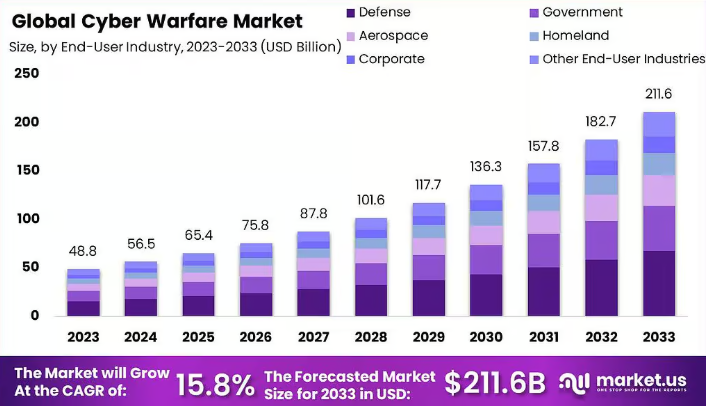
- AI and Decision making: AI systems process vast amounts of surveillance data for real-time targeting and strategy to gain competitive advantage.
- Cyberwarefare and infrastructure: the digital battlefield includes cyber attacks on critical infrastructure, satellite communication, frequently occurring below the threshold of traditional armed conflict.
- Autonomous systems: unmanned vehicles like drones or robotics can reduce human risks but also raise the questions about accountability and ethics in weaponized autonomous targeting.
- Dependency risk: militaries relying on digital systems face vulnerabilities to hacking, data inaccuracies, and systemic failures.
- Digital divide: the gap between nations with advanced technology and capabilities and those without it or having basic access to it creates new form of geopolitical, military, and strategic inequality.
| What does Cyberwarfare Look Like? 🤔 ⚠️ Attacks on financial infrastructure ⚠️ Attacks on public infrastructure (like electric systems) ⚠️ Attacks on safety infrastructure (like traffic signals) ⚠️ Attacks against military resources or organizations |
Business Risks and Consequences of Cyber Warfare
| Risk Area | Description | Business Consequences |
|---|---|---|
| Data Breaches | These may include unauthorised access to sensitive data pertaining to business or customer | Third-party vendor or service provider compromise |
| Operational Disruption | Cyberattacks such as DDoS or ransomware are designed to stop systems and services. | Downtime, productivity loss, missed opportunity to monetize |
| Intellectual Property Theft | Theft of trade secrets, proprietary data and designs | Your market position becomes threatened, you miss out on revenue. |
| Supply Chain Attacks | Third party vendor or service provider compromise | Failures cascading, vulnerabilities, outages |
| Compliance Violations | Such incidents also raised issues of regulatory complaint | Fines, lawsuits, limits on how you conduct your business |
Real World Example of War Impacting IT Systems
1. Middle East in March 2026
Drones struck Amazon Web Service(AWS) data centres in the UAE and Bahrain, marking the first time commercial data centres were deliberately targeted in a conflict.
2. Viasat Satellite hack
On Feb 24, 2022, a hack targeted the viasat KA-SAT network, intended to disrupt communication, which had widespread ripple effects on connectivity needed to access cloud resources.
3. Cyber Activity Against the Ukrainian Government
In May 2022, the Russian hacktivist group XakNet claimed to have breached the Ukrainian Ministry of Foreign Affairs, releasing exfiltrated documents on their social media channel through a hack and leak operation.
4. Russian State-Sponsored Cyber Threat Actors
Cyber threat activity against Ukraine has been conducted by various actors linked to the three main Russian intelligence services the FSB, Foreign Intelligence Service (SVR), and GRU. These cyber actors have been involved in various types of threat activity against Ukraine.
Strategies to Strengthen Data Security during Conflicts
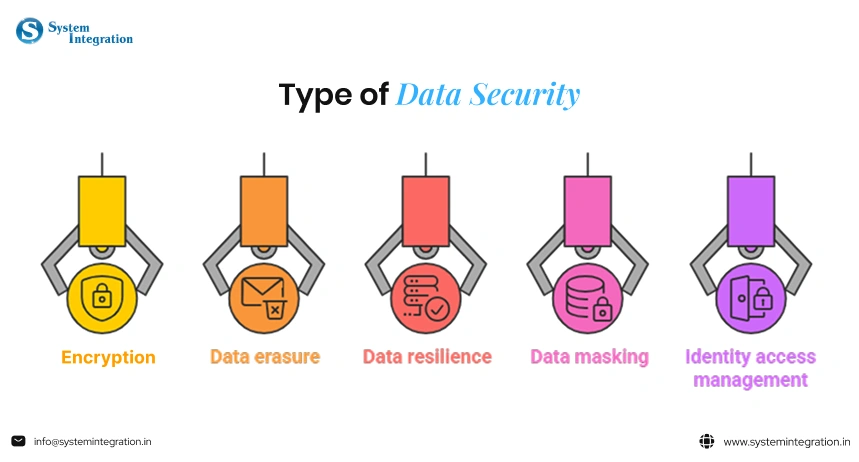
- Data Minimisation and Hardening: Identify and classify sensitive data, limit excessive data storage, and segment networks to minimise exposure and contain potential breaches.
- Robust encryption and access management: End-to-end encryption of sensitive data and tight access controls with multi-factor authentication to prevent unauthorised access.
- 3-2-1 Backup Rule: The 3-2-1 backup rule is a simple way to ensure your data is protected. Immutable backups are great for ransomware protection.
- Proactive monitoring and incident response: Continuously monitoring systems and regularly updating incident response plans and patching vulnerabilities in a timely manner helps to effectively detect and mitigate threats.
Future Outlook for Building Cyber Resilient Infrastructure
➜ Adopt zero trust architecture wherever you can, which ensures continuous verification of users, devices, as well as access.
➜ Invest in multi-cloud and a decentralized infrastructure to reduce dependency on a single point of failure.
➜ Use AI-based threat detection to identify threats in minutes and detect attacks within hours of their occurrence.
➜ Enhance your data backup/disaster recovery strategies with systems distributed among geographical points.
➜ Keep pace with rapidly changing cybersecurity regulations and compliance strategies to remain resilient against emerging threats.
Winding up thoughts
The battles aren’t just about borders and their battles. In this digital phase. The wars directly affect the data and also targets to damage the data. Thus, implementing robust security measures for your data security and cloud infrastructure can help organisations manage challenging situations.
Therefore, for securing your sensitive data and cloud infrastructure, partnering with an experienced BMV System Integration will be the best decision, as they can help you develop scalable solutions and tools to ensure the safety of your data and cloud infrastructure for current and future use.
FAQs
- Cyber warfare: nation-states, state-sponsored agents, or government-led entities. Cyber
- terrorism: sub-nation groups, clandestine agents, or non-state actors.
Its impact
- Cyber warfare: aims for large-scale, crippling disruption of national systems.
- Cyberterrorism: seeks to cause mass disruption or physical damage to societal functions.
Cyberattacks, physical destruction of data centers and supply chain problems with hardware, in addition to connectivity, are all threats that can impact cloud infrastructure.
DDoS attacks, ransomware, state-sponsored hacking, data theft and misinformation campaigns are the most frequently reported threats.
Governments increasingly rely on cyber warfare to disrupt enemy military systems and critical infrastructure. Moreover, it can be used to gain economic advantage or push political agendas at a low risk and cost.