Introduction
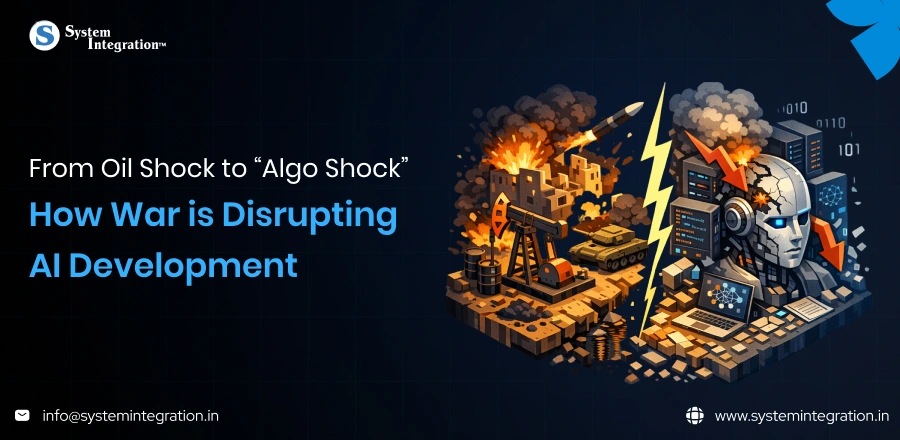
Remember when the price of petrol went up and everyone turned into a half-time economist? Fast-forward to today, swap out oil barrels for algorithms, and welcome to “Algo Shock.” Like the oil crises affected global economies, conflicts today are upending something much more invisible, and potent, artificial intelligence.
Chip shortages, data restrictions and the migration of AI talent, among other effects of war, are quietly remaking how artificial intelligence is built, deployed and controlled.
In a world where algorithms power everything from business decisions to national security, any disruption can have ripple effects across industries.
This blog highlights some of these tensions, and how they are culminating in the so-called “Algo Shock,” with reflections on what it means for the future not just AI businesses but also global innovators.
What is “oil shock and Algo shock” a Quick Recap
What is an Oil Shock?
An oil shock is defined as a sudden drop in the availability of crude oil or a dramatic spike in its price, typically caused by political conflicts or cuts in production. The most prominent of these was during the 1970s energy crisis, when shortages of oil sent companies prices soaring and revealed just how fragile economies were for a single resource.
These shocks did more than just raise the price of fuel, they slowed down industries, stoked inflation and disrupted daily life. Nations had no choice but to reevaluate their energy policies, demonstrating that the power over critical commodities can directly impact worldwide financial security.
Significant Impacts of the Oil Crisis on Economies Globally
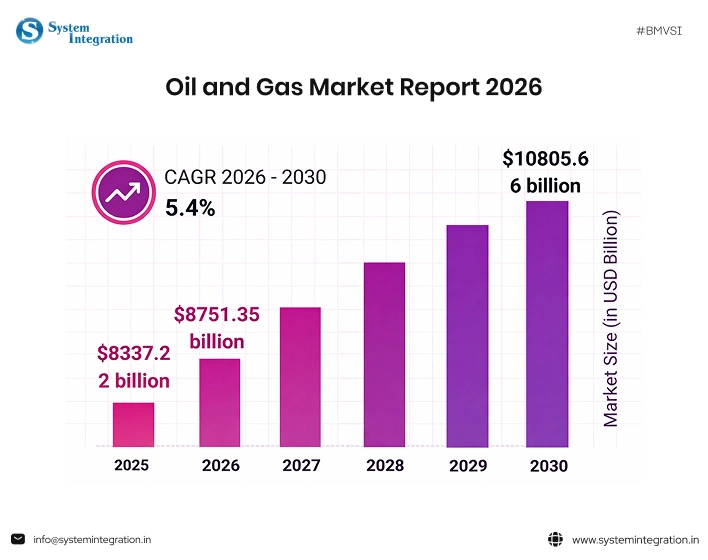
- Inflation peaked and fuel prices spiked
- Transportation and manufacturing became expensive
- Economic slowdown and rising unemployment
- Oil-producing countries acquired enormous geopolitical power
| Attributes | Details |
|---|---|
| Market size value in 2026 | $8751.35 Billion |
| Revenue Forecast in 2035 | $10805.66 Billion |
| Growth Rate | CAGR of 5.4% from 2026 to 2035 |
| Base year of Estimation | 2025 |
All About Algo Shock in the Age of AI
“Algo Shock” is the new oil shock, disruption in development, access or deployment of artificial intelligence. That can occur because of chip shortages, data restrictions, geopolitical tensions or stringent rules that suppress the movement of A.I. resources.
AI now fuels everything from businesses to national security systems, so any disruption forces serious consequences. If oil used to power the global economy, now its algorithms that energize the digital environment, making them just as essential.
Similarities between reliance on oil and reliance on AI
- High reliance in economy on a small number of resources
- Supply chains tied to specific regions
- Vulnerability to geopolitical tensions
- Crises demand innovation, diversification and self-sufficiency
The Link Between War and New Technology
- Wars boost up innovation because they create urgency and force nations to quickly develop advanced technologies for survival and strategic advantage
- Many transformational technologies, including the internet and GPS, were born in military research motivated by wartime needs and challenges
- It is also known that conflicts result in heavy government spending on research and development, which leads to rapid breakthroughs and large-scale technological changes across sectors.
- Wartime conditions facilitate unprecedented collaboration between governments and private companies, enabling rapid innovation, resource-sharing and the deployment of practical technology
- The latest frontier is artificial intelligence, which nations are racing to develop both military and surveillance systems, as well as technology on a global stage.
Cyber Warfare and AI Security Risks
Cyber warfare is entering a new phase in which artificial intelligence has evolved from being an instrument to become a weapon itself. As cyber attacks become more powered by AI, they can adapt in real time, find weaknesses at an unprecedented rate and conduct large scale breaches all while requiring little to no human involvement.
Simultaneously, so onto military systems with AI is being put through autonomous weapons, surveillance tools and predictive threat analysis. Though this bolsters national security capabilities, it also poses serious problems with respect to control, misuse and system failures.
- Traditional security such as antivirus and firewalls are less effective against AI-powered cyber attacks that easily detect and exploit system vulnerabilities.
- Countries are trying to change their warfare strategies with autonomous weapons and AI-enabled defense systems
- Psychological and information warfare through deepfakes and AI-generated misinformation
Brain Drain vs. Brain Gain: Moving Talent in AI
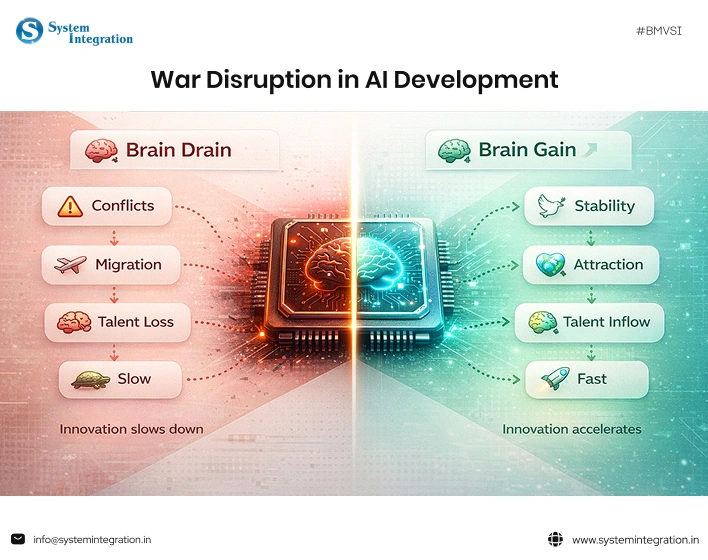
Brain Drain
Many AI professionals respond to more promising and stable opportunities by leaving regions experiencing instability or strife, which opens up the potential for brain drain. This migration undermines local innovation ecosystems, hampers technological advancement, and produces a talent gap that creates an uphill struggle for countries on the receiving end to maintain a strong position in the international AI arena.
Brain Gain
Brain gain when stable technologically-advanced nations scouts top AI talents globally With this investment, these countries are able to develop stronger AI capabilities by providing better infrastructure funding and research opportunities while faster innovation is leading them to become global players in an ecosystem that is changing rapidly.
Investment Hesitation & the Momentum Slowing
Venture Capitalists Don’t Trust Each Other During Conflicts
When the world is politically unstable, venture capitalists tend to be more careful and choose safer, more tested investments over risky new ideas like new AI startups. Investors are less sure about regulations, supply chains, and market stability, which slows the flow of money into the AI ecosystem.
Problems with getting money for new businesses
Early-stage AI startups are hit the hardest because they need a lot of outside money to build and grow their solutions. Getting seed or Series A funding is harder now that investors are pulling back. This slows down product development, hiring, and entering the market.
Long-term effects on the growth of AI ecosystems
Over time, less investment can slow down innovation, make it harder to try new things, and make the whole AI ecosystem smaller. Fewer new businesses stay in business, competition goes down, and technological progress is more likely to happen in areas with stable funding. This makes the global innovation gap even bigger.
Opportunities Hidden in Crisis
- Defense tech and security startups are popping up fast. They use intelligence to deal with new threats and security problems. This is an issue for a lot of countries.
- The need for intelligence to manage risk is getting bigger. Companies want to know what is going to happen so they can get ready for things and big changes.
- Some countries are making their artificial intelligence systems. In this evolving phase, partnering with AI/ML development company helps business build future ready digital solutions.
- When things are tough people have to be creative. This is happening with intelligence. Companies are making technology that is cheap and works well.
- Because of what’s happening in the world new markets are showing up. This is making it possible for artificial intelligence to be used in areas like new supply chains and industries. Artificial intelligence is being used in parts of the world too.

How to Prepare for Algo Shock as Businesses
➪ Using different artificial intelligence tools and supply chains is a good idea because it means we do not have to rely on just one source. This way if something goes wrong and keeps going even if there are problems in the world that affect how we do things.
➪ Investing in intelligence systems that are safe and secure is very important. We need to make sure that people trust these systems and that we do not take many risks. If we do this we can stop things from happening and make sure the systems are not weak.
➪ Businesses need to follow the rules that are always changing. This way they can avoid getting into trouble with the law. The rules for intelligence are changing all over the world so we need to keep up with them.
➪ If we teach our workers about intelligence and how to keep things safe on computers they will be better at their jobs. Our organizations will be able to compete with others and stay safe from threats that come from computers and the internet.
AI’s Future in a World of War
The world is getting more tense. This is affecting the future of Artificial Intelligence. Everyone’s working together on Artificial Intelligence, countries are going to do their own thing because of politics, security and rules. Countries want to be able to make their AI without relying on others. At this time people are worried about the bad things that could happen with Artificial Intelligence.
The next ten years of Artificial Intelligence will be about more than making new things. It will also be about who is in control if we can trust Artificial Intelligence and who is going to be the most powerful.
★ Global AI systems might break into networks, each limited to certain regions with not much sharing between countries.
★ AI nationalism is on the rise. Countries now focus on their AI growth and restrict sharing of technology across borders.
★ Digital borders are forming, stopping flow of data, which affects how well AI models work worldwide.
★ People are getting more worried about AI being used for surveillance being biased and making weapons.
★ Governments everywhere will likely make stricter rules to control how AI is made, used and spread.
★ The next ten years of AI progress will depend on how countries balance being competitive, being secure and making innovations.
Winding Up Words
From oil shocks to Algo Shock big changes are happening now. These changes are affecting data, talent and intelligence. For every company that makes AI software, being strong and able to adapt will be very important. They need to partner with an AI software development company that provides scalable AI services. As the world of technology changes, businesses that have competitive AI solutions will be the leaders in the future of AI.
FAQs
Algo Shock is when there are problems in AI development. This happens because of tensions between countries, a lack of computer chips, limits on data and rules that affect AI systems around the world.
War makes AI development happen faster for defense purposes.. It also causes problems with getting the things we need moving talented people around and working together globally. This slows down the growth of the AI system.
AI is like oil because it powers the world. Like oil was important for industries in the past, AI is important now for countries to be competitive.
Businesses can protect themselves by getting things from places investing in AI systems that are secure following the rules and teaching their teams about AI and how to keep it safe.