Introduction
The booking experience in the U.S. has quietly evolved from simple calendar-based systems to intelligent, data-driven decision engines.
Today, when a user opens a travel or hotel app, they’re not just browsing, they’re interacting with algorithms that predict what they want, when they want it, and how much they’re willing to pay.
This shift is powered by AI app development, and it’s redefining how booking platforms operate, compete, and grow.
The Shift from Traditional to AI-Driven Booking
Earlier booking systems were reactive. Prices were fixed, recommendations were generic, and customer engagement depended heavily on manual processes. AI has flipped that model.
Modern systems:
- Predict demand before it happens
- Personalize every user interaction
- Optimize pricing dynamically
- Automate customer communication
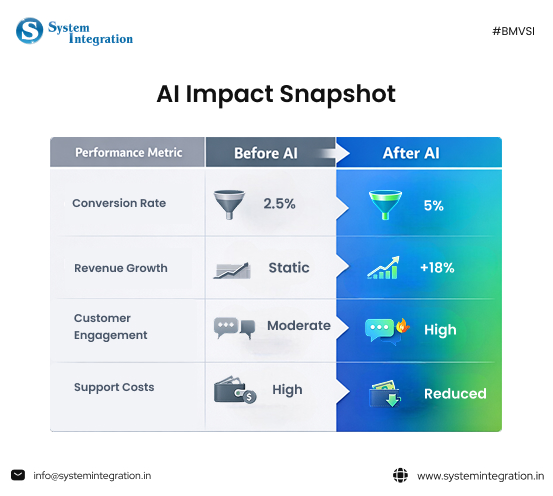
In fact, studies show that AI-driven booking platforms can improve conversion rates by nearly 2x compared to traditional systems.
How AI Actually Optimizes Bookings
At its core, AI works by analyzing large volumes of data, user behavior, seasonality, pricing trends, and competitor insights, and converting that into actionable decisions in real time.
Let’s break it down with a simple example:
1️⃣ A user searches for a hotel in Miami
2️⃣ AI identifies peak demand dates
3️⃣ Adjusts pricing accordingly
4️⃣ Recommends rooms based on past behavior
5️⃣ Triggers urgency (e.g., “only 2 rooms left”)
This entire process happens in milliseconds and significantly increases the chance of conversion.
Why U.S. Businesses Are Investing Heavily in AI?
The U.S. market is extremely competitive, especially in travel and hospitality. Businesses are turning to AI mobile app development to gain an edge.
Some real insights:
- AI adoption in hospitality is growing at over 30% annually
- Hotels using AI pricing tools report 10–20% higher margins
- Automated booking assistants reduce customer support costs by up to 25%
These numbers highlight one thing clearly: AI is directly tied to revenue growth.
Key Capabilities That Drive Results
Instead of listing features, it’s more useful to understand how these capabilities impact business outcomes.
↪ Intelligent Pricing Systems
Prices change automatically based on demand, competition, and booking patterns. This ensures you never underprice during high demand or overprice during slow periods.
↪ Behavioral Personalization
AI tracks user interactions and creates tailored experiences.
For example:
• Frequent business traveler → premium rooms
• Budget traveler → discounted deals
This level of personalization can increase booking likelihood by 25–30%.
↪ Automated Customer Interaction
AI chatbots and assistants handle booking queries instantly. This not only improves response time but also ensures 24/7 availability without increasing staffing costs.
↪ Demand Forecasting
AI predicts when demand will spike or drop. Businesses can plan promotions, pricing, and inventory more effectively leading to better occupancy rates.
AI App Development: What It Really Involves
Building an AI-powered booking platform is not just about adding a chatbot or recommendation engine. It requires a complete ecosystem.
A typical AI app development company focuses on:
- Data infrastructure (collecting and processing user data)
- Machine learning models (pricing, recommendation engines)
- Scalable backend systems
- Seamless mobile interfaces
- Third-party integrations (payments, CRM, APIs)
This is why businesses often rely on specialized ai app development services rather than building everything in-house.
AI App Development Cost in the USA
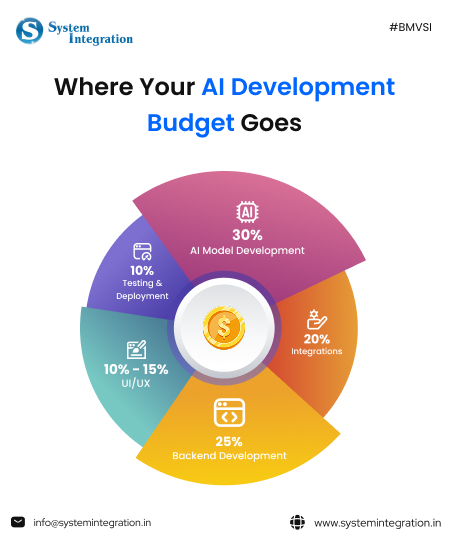
One of the most common questions is around AI development cost. The answer depends on how advanced your system needs to be.
| Development Level | Estimated Cost |
|---|---|
| MVP with basic AI features | $40,000 – $70,000 |
| Scalable mid-level platform | $70,000 – $150,000 |
| Enterprise-grade AI system | $150,000 – $350,000+ |
What Drives the Cost?
- Complexity of AI models
- Real-time data processing capabilities
- Number of integrations
- Custom UI/UX requirements
- Ongoing model training and maintenance
So while the AI app development cost may seem high initially, the long-term returns often justify the investment.

ROI: Where AI Pays Off
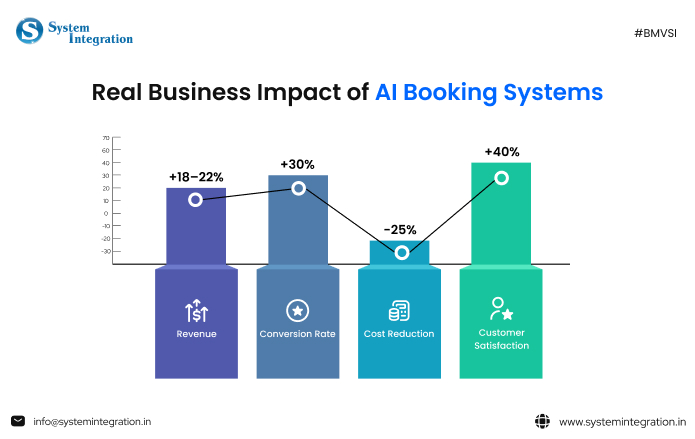
Let’s talk numbers because that’s what matters. Businesses using AI in booking systems typically see:
- 15–20% increase in overall revenue
- 20–30% improvement in conversion rates
- 25% reduction in operational costs
- Higher customer retention rates
Example Scenario:
A travel platform generating $2M annually:
- AI increases bookings by 20% → +$400K
- Automation reduces costs by $150K
👉 Net gain: $550K annually
Even with a $120K investment in development, ROI becomes clear within the first year.
Challenges You Should Be Ready For
AI is powerful but not plug-and-play. Some real challenges businesses face:
- Data quality and availability
- Integration with legacy booking systems
- Compliance with U.S. data privacy laws
- Continuous optimization of AI models
This is why choosing the right AI app development company becomes a critical decision.
What the Future Looks Like?
AI booking systems are evolving fast. In the next few years, we’ll see:
- Voice-based bookings through AI assistants
- Hyper-personalized travel journeys
- Fully automated pricing strategies
- Predictive trip planning
In short, booking platforms will become less like tools and more like intelligent advisors.
Final Thoughts
AI-powered booking optimization is no longer just a trend in the U.S., it’s becoming the standard.
Businesses that invest early in AI mobile app development are not only improving efficiency but also creating better customer experiences and unlocking new revenue streams.
The key lies in understanding your goals, planning your investment wisely, and leveraging the right AI app development services to build a future-ready solution.
FAQs
They adapt in real time, personalize experiences, and optimize pricing automatically, leading to higher conversions.
It ranges from $40,000 to $350,000+ depending on features and complexity.
Typically between 4 to 9 months for a complete solution.
Yes, starting with an MVP is a cost-effective way to adopt AI.
No, it works for travel, events, healthcare appointments, rentals, and more.
Machine learning, NLP, cloud computing, APIs, and data analytics.
By offering faster responses, personalized recommendations, and seamless booking journeys.
Yes, automation can reduce manual work by up to 70–80%.