
Introduction
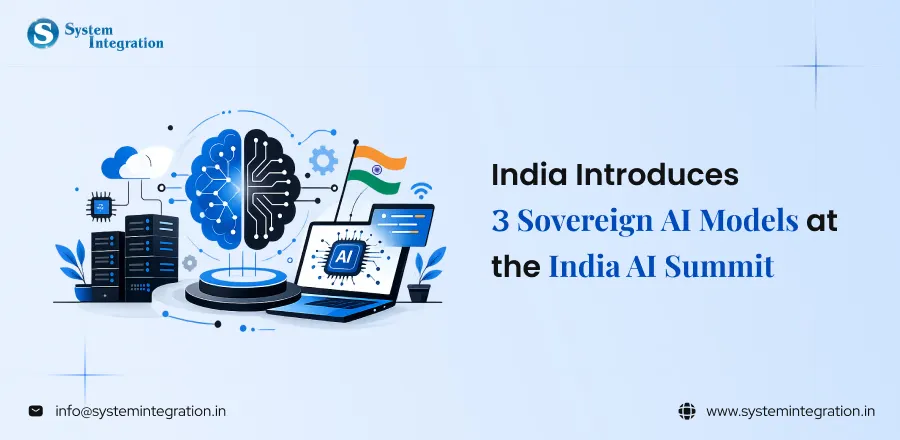
India rolled out 3 new AI models at the AI summit in New Delhi on the 18th of February.
As startups of India and other tech businesses stepped up to build robust home-built AI models, alternatives to global AI models, which are dominated by big tech companies.
The movement opens a new chapter in India’s development into a global AI powerhouse and places the nation alongside the top economies in the world that are investing in domestically managed AI ecosystems.
The goal of India’s sovereign AI initiative is to create domestic AI models that meet local industry and governance requirements while functioning within national data governance frameworks.
These autonomous AI models are anticipated to be vital in determining India’s digital future, from facilitating multilingual communication across various regional languages to bolstering safe government operations and speeding up industry-specific automation.
What are the 3 New AI Models India Introduced?
Sarvam AI
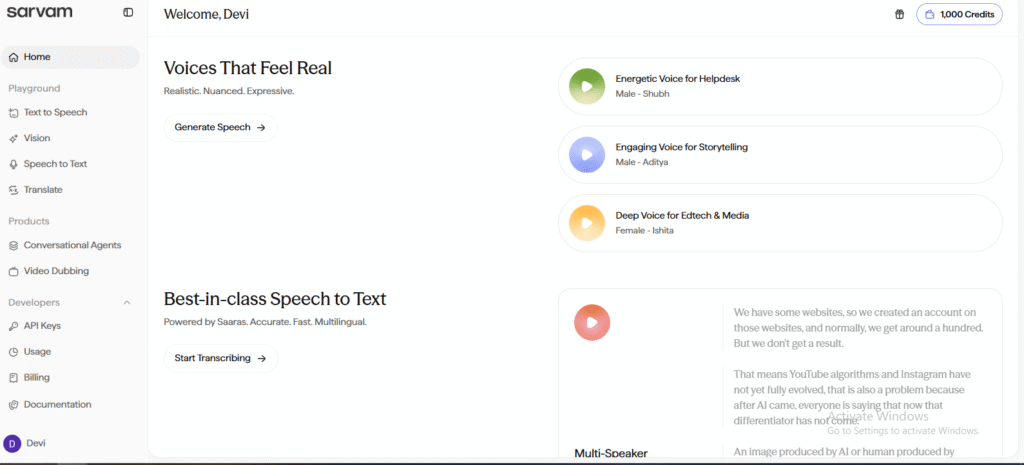
Bangalore based Sarvam AI announced two large language models built entirely within India a 30 billion parameter model and a larger 105 billion parameter verison.
It engages multi language data through different Indic language data sources to achieve a deeper understanding of the different mixed language datasets within the different regions, in order to generate and process contextual information.
Also enabling businesses & governments to create scalable AI applications such as chatbots and translators specifically designed for the users of India.
Key features
- The platform includes numerous Indic language options which are used in creating localized AI applications.
- APIs that are designed for enterprise-level automation & chatbot development.
- natural language for understanding user context.
- provides enterprise-wide scaling & deployment for both business & private use.
Gnani.ai
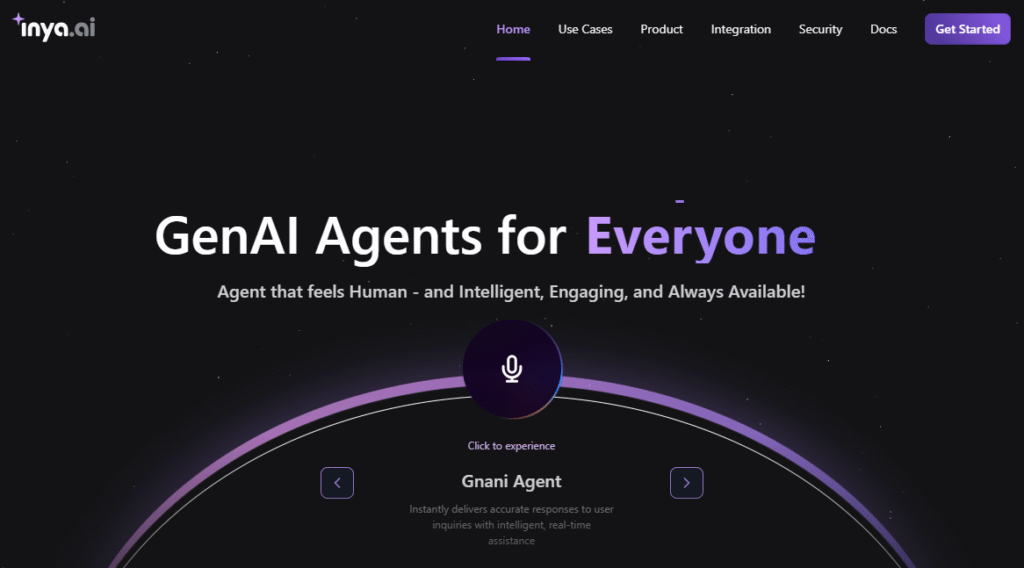
This platform has launched its own new AI platform named as “Inya.ai ” designed to allow for voice only interaction through an advanced speech recognition and natural language processing approach.
It provides businesses with the ability to automate their customer service, and provide real-time voice analytics by converting spoken words into informative data via deep learning technologies. This platform supports multiple modes of interaction and supports many of the Indian languages.
Key features
- Real Time Speech to Text and Similarities in Voice Recognition
- AI Powered Voice Bots for Customer Interaction
- Multilingual Voice Capability
- Seamless Integration with Corporate Call Centre Systems
BharatGen
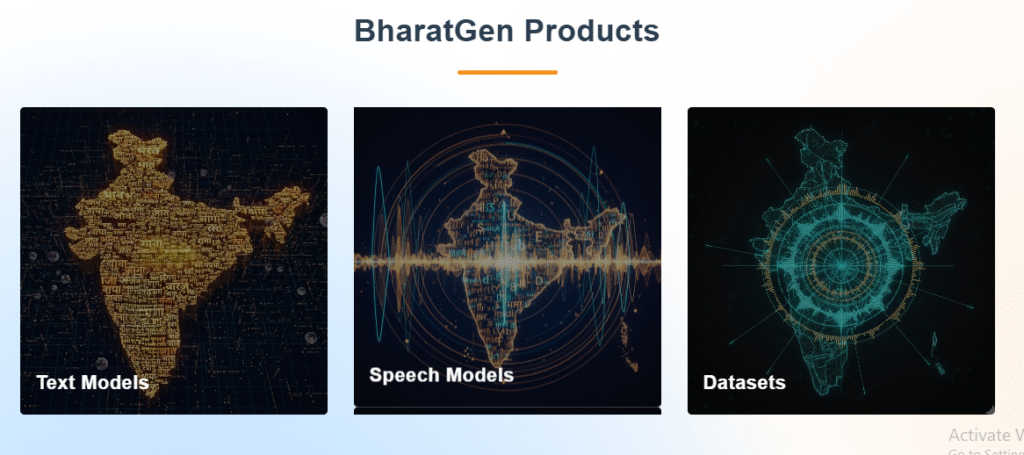
is an AI-enhanced communication platform that uses speech recognition technology with Natural Language Processing to offer customers a voice-based way to interact and request services. Using deep learning models, it convert spoken words into actionable data for businesses who want to provide automated support via customer service agents, IVRs, and voice analytics within multiple Indian languages.
Key Features
- Live voice recognition and transcription
- AI-based voicebots that provide customer support
- Voice support for multiple languages
- Executive call centre systems can be integrated efficiently.

Summarizing words
As India rolled out 3 new AI models at the AI summit in New Delhi on the 18th of February. The movement opens a new chapter in India’s development into a global AI powerhouse and places the nation alongside the top economies in the world that are investing in domestically managed AI ecosystems.
These autonomous AI models are anticipated to be vital in determining India’s digital future, from facilitating multilingual communication across various regional languages to bolstering safe government operations and speeding up industry-specific automation.
FAQs
It is an agentic AI platform that enables automated, human-like conversations through AI-powered agents. Its suitable for all sizes of businesses, from small to medium to large.
These are AI systems that are designed, trained on local data, and governed within india to ensure strategic autonomy and data privacy, reducing reliance on global, foreign platofrm.
A ₹10,300+ crore initiative aimed at building indigenous AI computing infrastructure, foundational models, and a robust innovation ecosystem.